OSO in 2025
Where we've been and where we're going

We launched at the end of 2023 with a simple goal - bring an order of magnitude more funding to open source software. In order to do that, we started with building OSO to measure the impact of open source and help existing funding organizations allocate more effectively. 2024 was an incredible year for us. In this newsletter, we wanted to share a bit of reflection on what we’ve learned and where we’re going next in 2025.
Our first year in numbers:
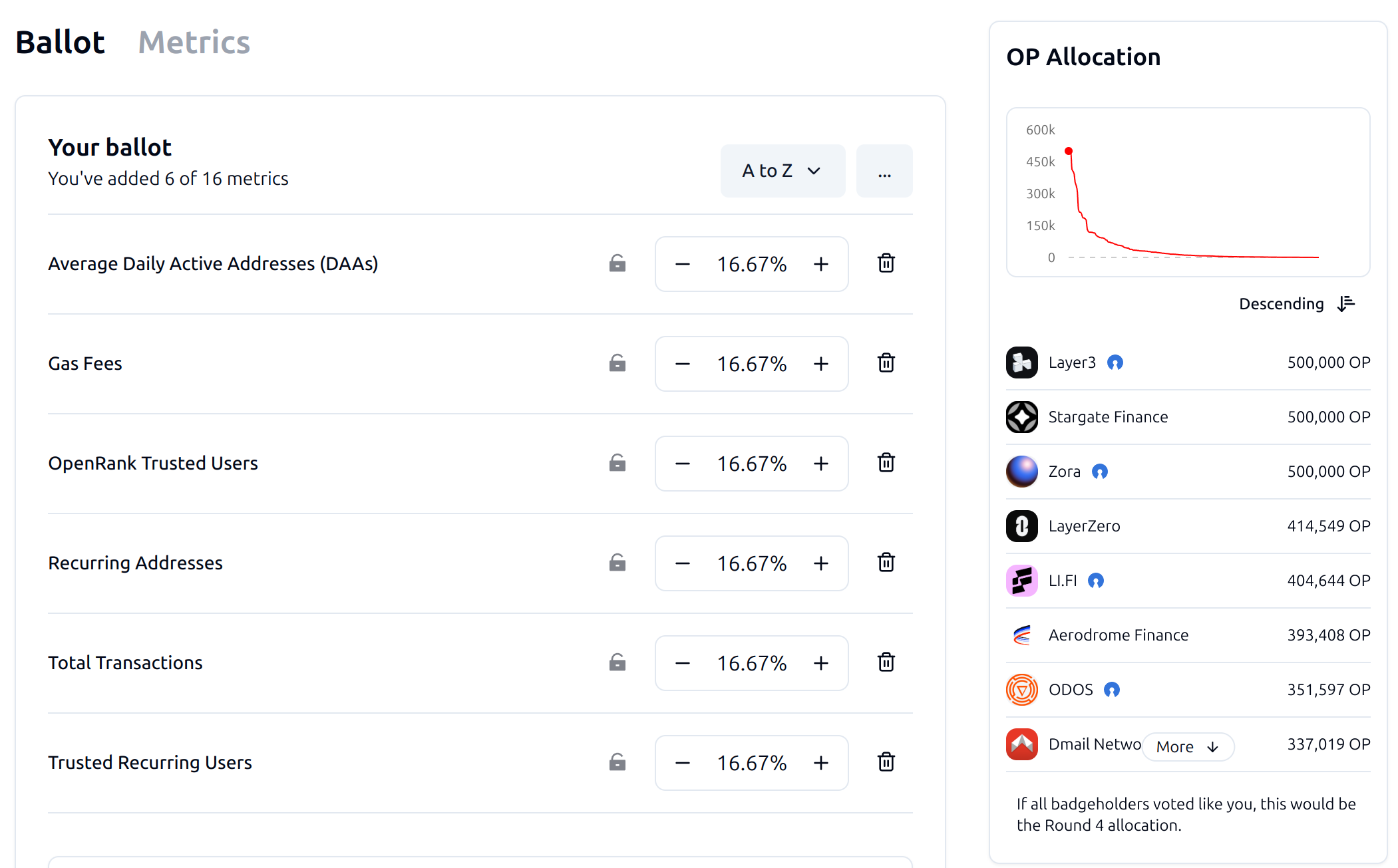
🔴 Retro Funding Round 4 distributed 10M OP to onchain builders
We have sensed a remarkable shift in the overton window towards data-driven decision making in public goods funding. With the availability of more data, we are now seeing communities focus more on their collective strategic goals: What does impact look like? How do we evaluate it? How can we use data to have deliberations based on facts, rather than opinions? Are we measurably moving towards our shared goals? From our perspective, this culminated in Optimism’s RF4 round where hundreds of projects were rewarded at scale by measuring their quantitative impact based on OSO metrics.
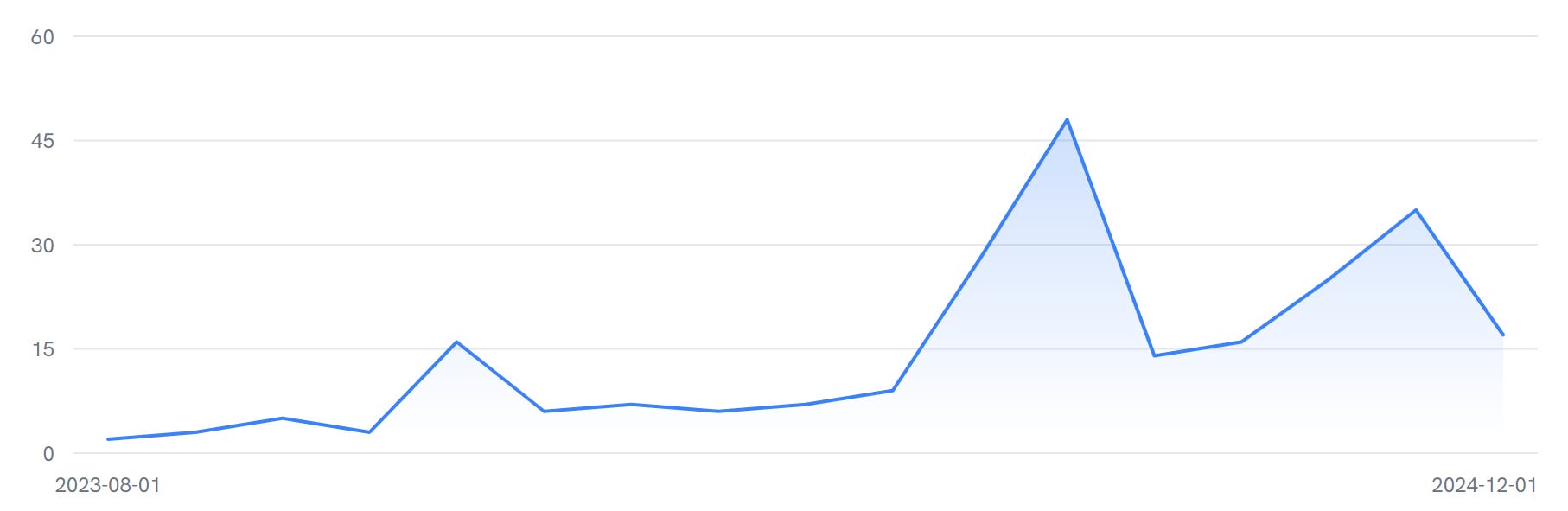
📈 100+ Contributors
OSO is a growing community! One of the most valuable resources our community has produced is a curated list of thousands of open source projects and all of their artifacts (e.g. GitHub repos, npm packages, contract addresses) in oss-directory. We co-maintain this with our good friends at growthepie, and it powers Optimism retrofunding, the OSO data pipeline, and growthepie. It’s one of the easiest ways to contribute; check out the docs for more.
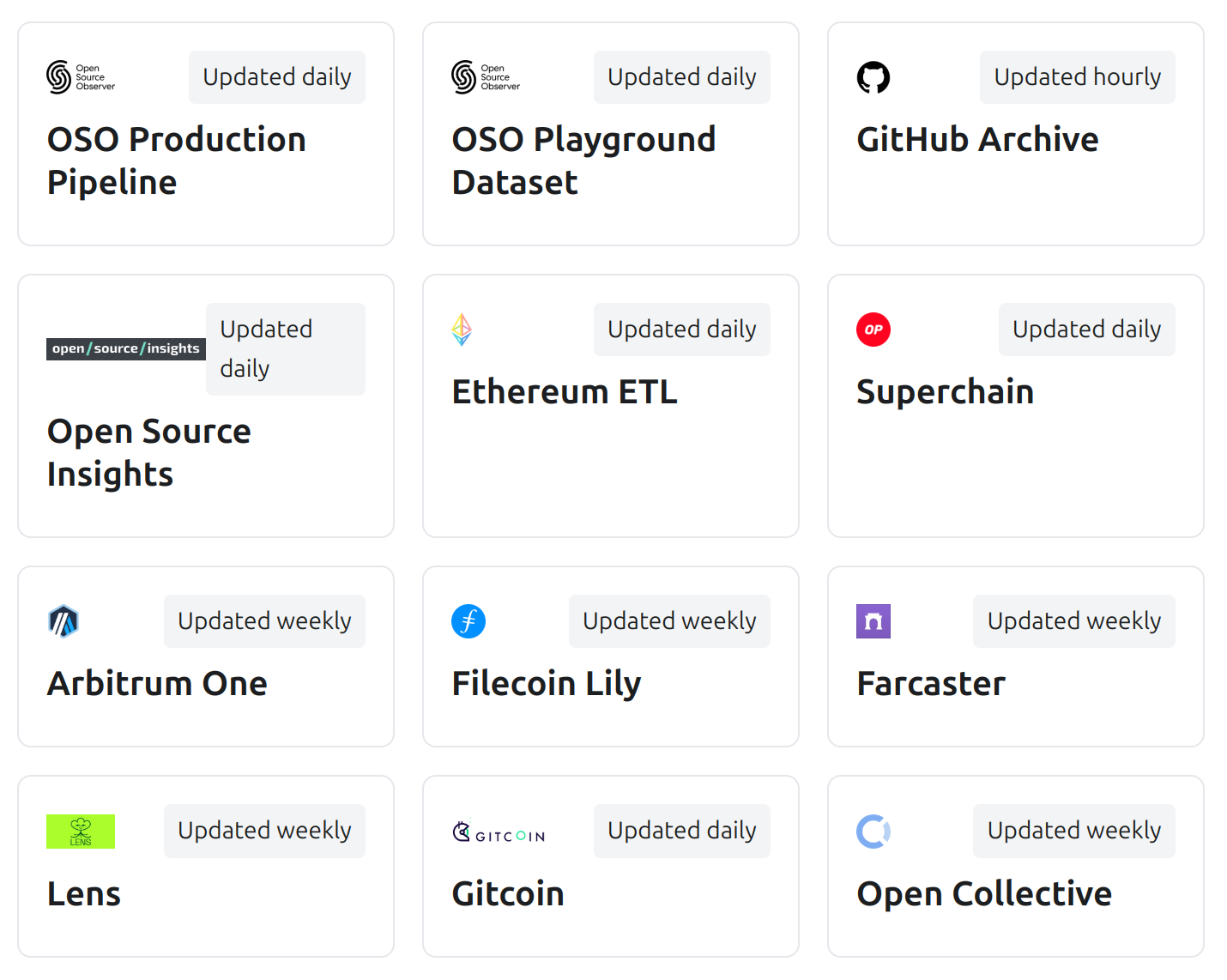
👨🌾166 data subscribers, 57K external query jobs
Since launching the OSO data exchange in August, we’ve gotten all sorts of interesting data subscribers who are leveraging OSO curated data. After OSO metrics, our most popular dataset has been the Gitcoin dataset. We have started to crowd-source a list of visualizations, dashboards, and apps built on top of our data at awesome-oso. PRs welcome!
🏭 >100TB+ scanned every month in our data pipeline
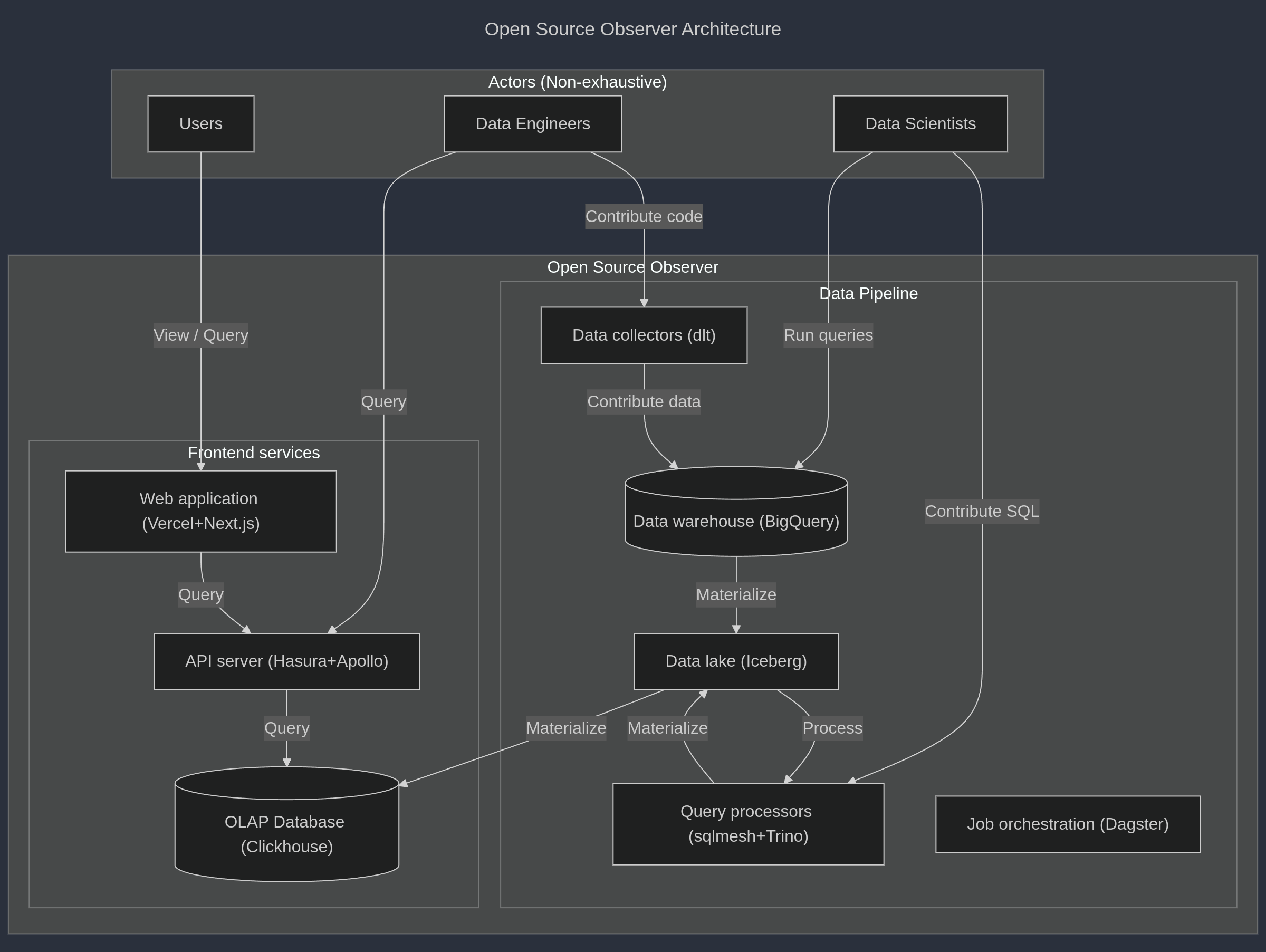
At the end of 2023, all we had was a scrappy MVP, which was the left side of this architecture diagram. Except, instead of Clickhouse, we were using the free tier of Supabase (<500MB) to store all the data that we had at the time. We’ve come a long way since then: first building a data lake, and then a scalable data pipeline that now scans >100TB+ every month to produce hundreds of models for the community. You can read more about our architecture here.
What’s in store for 2025?
In 2024, we spent a lot of time putting together an incredible data engine that measures many core elements of the open source value chain, from how projects are funded to onchain usage, and everything in between. In 2025, it’s time to put it on the road.
🧧Moar funding for open source!
We started OSO because we ❤️ open source and we wanted to see more funding for projects. Our hypothesis is that in order to move beyond just altruism, we have to show how funding open source measurably advances strategic goals, like ecosystem growth. In 2025, we want to deepen our engagement with funding mechanisms to scale up the effectiveness of existing programs, while continuing to experiment with new public goods funding mechanisms.
🔴 Retro Funding 2025
If 2024 was “don’t fund projects, fund metrics”, then 2025 is “don’t fund metrics, fund towards goals”. Project-level metrics are valuable in measuring a project’s relative impact to each other. However, we need to show that the funding is advancing ecosystem-wide goals around growing the developer ecosystem, attracting valuable products, and generating revenue/value.
In 2025, we plan on transitioning from discrete rounds to continuous retro funding experiments. This will give us the ability to regularly evaluate program effectiveness and iterate on allocation strategies to maximize value to the ecosystem. To read more, check out the Optimism blog.
🤖 Deep Funding
With access to all this data, we are excited to explore more machine learning approaches to impact evaluation. Deep Funding is the first of these experiments, which we are running in collaboration with VoiceDeck, Gitcoin, Drips, Pairwise, Pond, and Vitalik. If you’re interested in training a model to allocate funding to Ethereum dependencies, join the Telegram chat to get involved.
🧬 OSO product evolution
Most of our ecosystem engagements thus far have been very manual data science work deep in the bowels of Jupyter and BigQuery. We want to democratize access to the data and insights, giving everyone the ability to benefit from this collective insights engine that we call OSO. We also want to lower the barrier to entry to contribution, so that anyone with a passion for data science or engineering can easily contribute data, models, and insights.
🏡 Launching the Network Goods Foundation
To cap off 2024, we have just launched the Network Goods Foundation in collaboration with our friends at Funding the Commons. The Network Goods Foundation is a 501c6 non-profit that will host open source software (like OSO) that benefits the public goods ecosystem. If you contribute to public goods and are in need of a fiscal host, you can reach out to us on our Open Collective page.
🙏Huge thank you to our supporters ❤️
When we first started this journey, we could have never imagined being where we are now. It is only made possible by this incredible community of supporters, including Optimism, Octant, Protocol Labs, Gitcoin, and Arbitrum. We’re so excited for what 2025 has in store!